

Blog
BAPESTA History Timeline

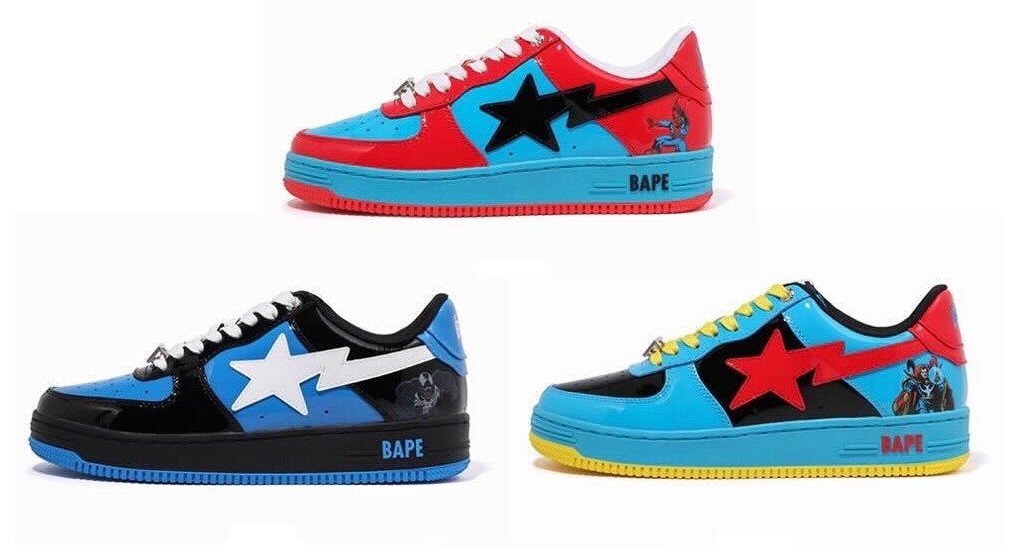
The History of BAPESTA Sneakers
BAPESTA has become one of the most recognizable names in Japanese streetwear footwear. Known for its bold visual identity, distinctive star-inspired side detailing, and strong connection to BAPE culture, the sneaker has developed from a niche Japanese streetwear release into a globally recognized collector’s silhouette.
This timeline explores the major stages of BAPESTA’s development and its place in sneaker and streetwear culture.
1993 — BAPE Is Founded
NIGO founded A Bathing Ape, commonly known as BAPE, in Tokyo in 1993.
The brand quickly developed a distinctive identity built around limited releases, bold graphics, camouflage patterns, and Japanese streetwear culture.
BAPE’s approach to scarcity and design helped establish a dedicated following.
Late 1990s — BAPE Expands Its Footwear Identity
As BAPE developed beyond clothing, footwear became an increasingly important part of the brand’s visual identity.
The brand’s sneaker designs helped translate its recognizable aesthetic into footwear, creating styles that could be worn alongside BAPE’s clothing collections.

Early 2000s — BAPESTA Emerges
BAPESTA became one of the most recognizable sneaker silhouettes associated with BAPE.
Its distinctive side-star design, bold color combinations, and recognizable branding helped separate it from conventional sneaker styles.
The sneaker quickly became closely associated with the wider Japanese streetwear movement.
Early 2000s — BAPESTA Gains International Attention
BAPESTA’s popularity expanded beyond Japan as international sneaker collectors and streetwear enthusiasts began paying closer attention to BAPE.
Limited availability and eye-catching colorways contributed to the sneaker’s collector appeal.
BAPESTA became particularly notable among early-2000s streetwear enthusiasts.
2000s — Collaborations Expand the BAPESTA Legacy
Collaborations became an important part of BAPESTA’s history.
BAPE worked with artists, designers, musicians, brands, and cultural figures to create limited and highly recognizable releases.
These collaborations helped introduce BAPESTA to audiences outside traditional Japanese streetwear circles.
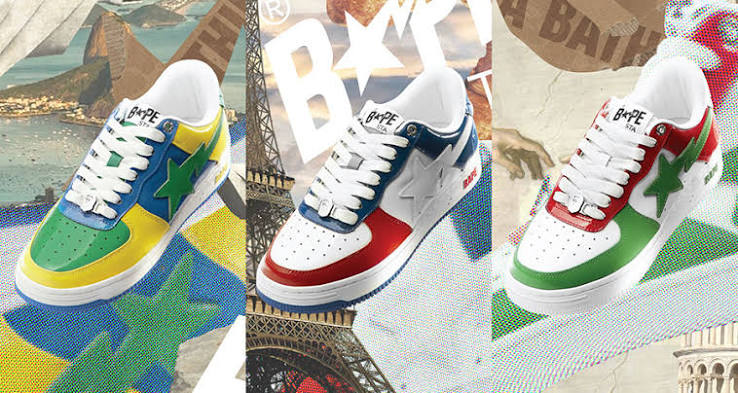
Mid-to-Late 2000s — BAPESTA Becomes a Streetwear Collectible
As sneaker culture continued to grow, earlier BAPESTA releases became increasingly associated with streetwear collecting.
Collectors were drawn to:
- Limited releases
- Distinctive colorways
- Collaborations
- Rare editions
- Older releases
- BAPE’s recognizable design language
2010s — The BAPE Footwear Family Expands
BAPE continued developing its footwear lineup beyond BAPESTA.
New silhouettes and designs introduced different interpretations of BAPE’s visual identity, broadening the brand’s presence within sneaker culture.
2020s — BAPESTA Returns to the Spotlight
The renewed global interest in vintage-inspired streetwear and early-2000s fashion helped bring greater attention to BAPESTA.
New generations of sneaker enthusiasts began discovering the silhouette alongside longtime BAPE collectors.
BAPESTA Today
Today, BAPESTA remains closely connected to Japanese streetwear and sneaker culture.
Its recognizable star-inspired detailing, bold colorways, collaborations, and connection to BAPE’s history continue to make it an interesting silhouette for sneaker enthusiasts and collectors.
The sneaker’s lasting appeal comes from more than its design. BAPESTA represents an important period in the development of Japanese streetwear and its influence on global fashion.
Why Is BAPESTA Important to Sneaker Culture?
BAPESTA helped demonstrate how a Japanese streetwear label could create a distinctive sneaker identity and build international cultural influence.
Its impact can be seen in several areas:
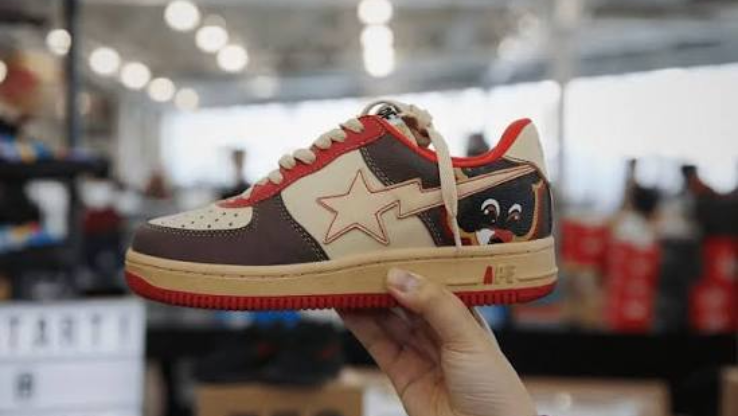
Japanese Streetwear
BAPESTA became closely associated with the growth of Japanese streetwear internationally.
Bold Sneaker Design
Its visual approach embraced strong colors, recognizable graphics, and distinctive branding.
Limited Releases
Limited availability helped create collector interest around specific releases and colorways.
Collaborations
Collaborative releases introduced BAPESTA to new audiences and connected the sneaker with music, art, fashion, and popular culture.
BAPESTA History FAQ
When was BAPESTA created?
BAPESTA emerged during the early development of BAPE’s footwear identity in the late 1990s and early 2000s.
Who created BAPESTA?
BAPESTA was developed as part of the BAPE/A Bathing Ape footwear line founded by NIGO.
Why is BAPESTA famous?
BAPESTA became known for its distinctive star-inspired side design, bold colorways, limited releases, collaborations, and connection to Japanese streetwear culture.
Is BAPESTA the same as BAPE STA?
The names are closely related, but they refer to different stages and naming within BAPE’s sneaker history. The specific model and release should always be checked when identifying a pair.
Why do collectors like BAPESTA?
Collectors often appreciate BAPESTA for its history, distinctive designs, limited releases, colorways, collaborations, and connection to the development of Japanese streetwear.
The Continuing Legacy of BAPESTA
From its roots in Japanese streetwear to its international recognition among sneaker enthusiasts, BAPESTA has maintained a distinctive place in footwear culture.
Its combination of bold design, recognizable branding, limited releases, and streetwear history continues to make BAPESTA an important name for sneaker collectors and fashion enthusiasts.